Entry · Ref 6MLCRLQG
Exploring the Flux 3 Image Capabilities of Black Forest Labs' New Model
- Posted
- 2026-10-31
- Last amended
- 2026-10-31
- Account
- @flux3imageshop
A Unified Approach to Visual Intelligence
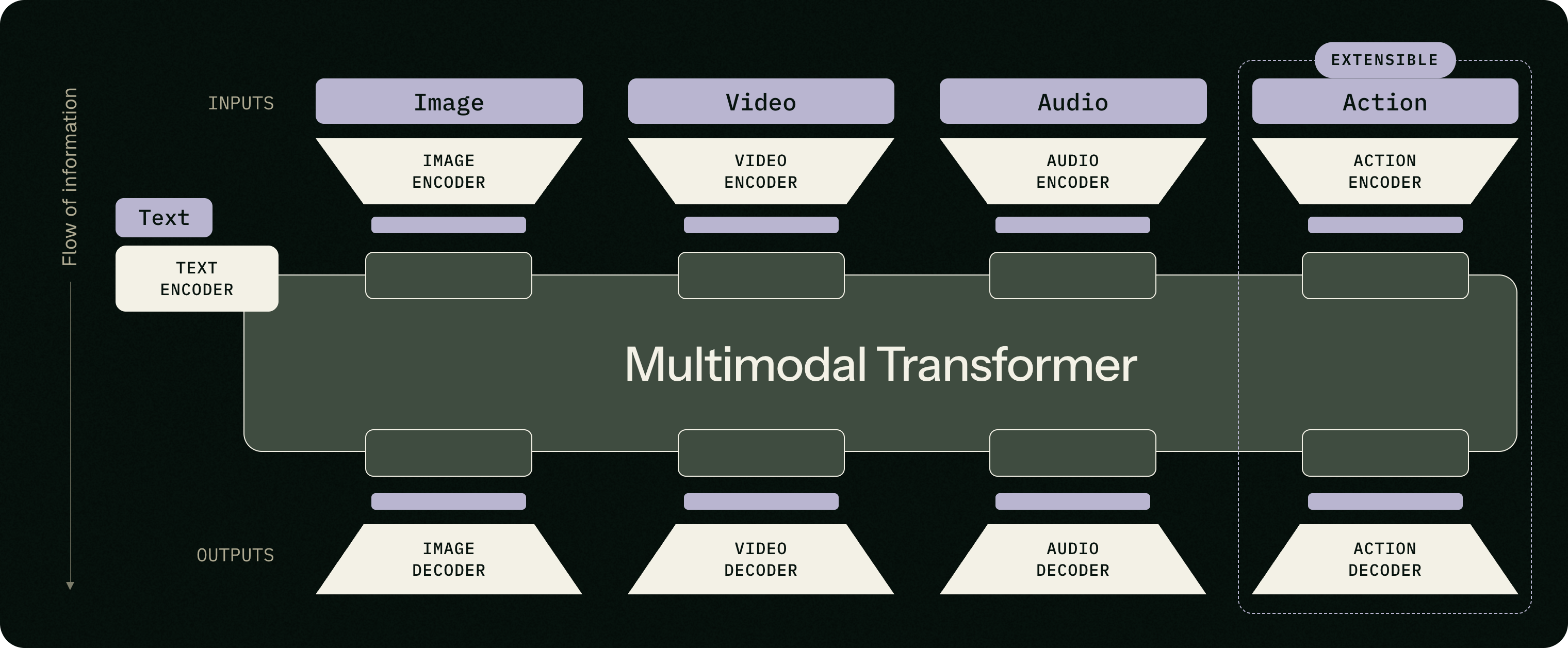
Black Forest Labs recently introduced FLUX 3, a multimodal foundation model designed to handle images, video, and audio within a single unified architecture. This is a significant departure from the specialized models we've seen in the past, where separate neural networks are trained for each modality. The core idea behind FLUX 3 is to build a system that understands the real world in a more holistic way, combining visual reasoning with cross-modal learning from the ground up. For anyone working in generative AI, this approach feels like a natural next step toward more capable and flexible tools.
One of the first things that stands out when you start working with the flux 3 model is how it handles image generation. Instead of treating text-to-image as an isolated task, the model leverages its understanding of video and audio to produce visuals that feel more contextually grounded. For example, generating an image of a busy street market doesn't just place objects randomly; it considers how people move, how sounds might travel, and how lighting changes over time. This integration of different data types leads to results that are often more coherent and realistic than what you'd get from a standalone diffusion model.
The flux 3 image capabilities are built around a transformer architecture that operates in a shared latent space. This allows the model to map concepts from one domain to another with surprising fluidity. When you feed it a text prompt, the model doesn't just generate pixels; it reasons about the scene, drawing on its training across multiple modalities. This is where the "visual intelligence" aspect really shines. It's not just about creating pretty pictures; it's about creating images that make sense in a broader context.
How Image Generation Works in FLUX 3
At its core, the image generation process in FLUX 3 is a diffusion model, but with a twist. The model starts with random noise and gradually refines it into a coherent image, guided by the text prompt and its internal understanding of the world. What makes FLUX 3 different is the way it integrates information from its other processing streams. For instance, if the prompt includes a sound like "a dog barking," the model's audio processing pathway influences the image generation, perhaps by adding a slight tension to the dog's posture or including a visual cue like an open mouth that aligns with the sound. This cross-modal learning means the output is richer than what you'd get from a standard text-to-image system.

The unified architecture also means that the same model can handle text-to-video synthesis without needing a separate pipeline. This is a huge practical advantage for creators and developers. Instead of stitching together different tools for image generation, video synthesis, and audio processing, you can work within a single framework. The trade-off, of course, is that training such a large foundation model requires immense computational resources. Black Forest Labs has open sourced parts of the model, which is a boon for the research community, but running it locally still demands serious hardware.
One area where the flux 3 image generation really excels is in handling complex scenes with multiple objects and interactions. The model's visual reasoning capabilities allow it to maintain consistency across elements. For example, if you ask it to generate an image of "a chef chopping vegetables in a busy kitchen," it will keep the chef's hands, the knife, and the vegetables in proper spatial relation, and it will also consider the background activity, other cooks moving, steam rising from pots, in a way that feels natural. This is a direct result of the model's training on video data, where temporal consistency is critical.
Practical Applications and Trade-offs
For developers and content creators, the main appeal of FLUX 3 is its versatility. You can use it for image generation, video synthesis, and audio processing with a single model. This reduces the complexity of your toolchain and opens up new possibilities for interactive applications. Imagine a virtual assistant that can generate a visual storyboard from a spoken description, complete with sound effects and motion. That level of integration is now within reach.
However, it's important to be realistic about the current state of the technology. The flux 3 model is still a research release, and while it's impressive, it has limitations. The quality of the output can vary depending on the prompt, and the model sometimes struggles with fine-grained details, like generating specific text inside an image. The trade-off for the unified architecture is that it's not as optimized for any single task as a specialized model might be. For example, if your primary need is high-resolution image generation, a dedicated diffusion model might still give you sharper results for now. But for projects that require a blend of modalities, FLUX 3 is a compelling choice.
Another consideration is the computational cost. Running a multimodal foundation model like FLUX 3 requires a powerful GPU with ample memory. The open source release helps, but it's not something you can run on a laptop. For many teams, the practical approach will be to use cloud-based inference or to fine-tune a smaller version of the model for their specific use case. The good news is that the model's architecture is efficient for its size, and ongoing optimizations are likely to improve performance over time.
The Role of Open Source in Advancing the Field
Black Forest Labs' decision to open source FLUX 3 is a significant move. It allows researchers and developers to experiment with the model, fine-tune it for specific domains, and build new applications on top of it. This kind of openness accelerates progress in the field of generative AI, especially for tasks that require real-world understanding. The community can now explore the nuances of cross-modal learning and visual reasoning in ways that weren't possible before.
For example, a team working on autonomous navigation could use FLUX 3's visual intelligence to generate synthetic training data that includes not just static images but also video and audio cues. A game developer could use the model to create assets that are consistent across different media types. The possibilities are vast, and the open source nature of the model ensures that the benefits are widely distributed.
Of course, there are challenges. The model's size and complexity mean that fine-tuning it requires significant expertise and resources. And as with any powerful generative AI tool, there are ethical considerations around misuse. But the overall trajectory is positive. By making the model accessible, Black Forest Labs is helping to democratize access to advanced multimodal AI.
Looking Ahead
The introduction of FLUX 3 marks an important step in the evolution of foundation models. By unifying image generation, video synthesis, and audio processing within a single transformer architecture, it points toward a future where AI systems can understand and generate content in a way that mirrors human perception. The flux 3 image capabilities are just one part of this larger vision, but they demonstrate the potential of cross-modal learning in a tangible way.
For practitioners, the key takeaway is that we are moving beyond narrow AI tools toward more general-purpose systems. The practical implications for content creation, simulation, and interactive experiences are enormous. While there are still hurdles to overcome, the foundation is solid. As the community continues to explore and build on FLUX 3, we can expect to see even more impressive demonstrations of visual intelligence in the months and years ahead.